
In recent years, there has been growing concern about the environmental impact of e-commerce. As more and more people turn to online shopping, the cost of paper in advertising products in magazines and newspapers has been reduced, as well as the cost of fuel has been reduced by not having to carry out as much transportation of products between stores.
However, electronic commerce has begun to damage the environment, this time not because of the waste of paper and exhaustible fossil fuels, but because of the growing carbon emissions of the digital industry. In this article we discuss what green technologies consist of (and what their benefits are) that can be used in the management of product feed, to make e-commerce more sustainable.
How Green Technologies are Revolutionizing Product Feed Management in Sustainable E-commerce
The concept of “sustainability” has gained significant traction across various industries, including e-commerce. As consumers become more conscious of their environmental impact, businesses are under increasing pressure to adopt sustainable practices. One area where green technologies are revolutionizing the e-commerce landscape is in product feed management.
Product feed management is a critical aspect of e-commerce, as it involves the organization and optimization of product data for online marketplaces. Traditionally, this process has been resource-intensive, relying heavily on manual data entry and manipulation.
With the advent of green technologies, businesses now have the opportunity to streamline their product feed management while reducing their carbon footprint.
One of the key green technologies transforming product feed management is automated data integration. By leveraging application programming interfaces (APIs), businesses can seamlessly connect their inventory systems with online marketplaces. This eliminates the need for manual data entry, reducing the time and resources required for product feed management. Additionally, automated data integration minimizes the risk of human error, ensuring accurate and up-to-date product information. An example of the use of APIs is the CesarFeed application, which guarantees perfect integration with the main APIs of the base technology of your online store for implementing a secure connection.
One of the key areas where green technologies can make a difference is in the optimization of product feeds. Product feeds are the data files that contain information about the products being sold online. They are used by e-commerce platforms to display products to potential customers. However, these feeds can be quite large and resource-intensive, leading to increased energy consumption and carbon emissions.
By employing green technologies, e-commerce companies can reduce the size of their product feeds and make them more efficient. One such technology is data compression.
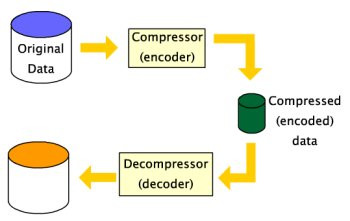
By compressing the data in product feeds, companies can significantly reduce their size, leading to lower energy consumption and carbon emissions. This not only benefits the environment but also improves the overall performance of e-commerce platforms.
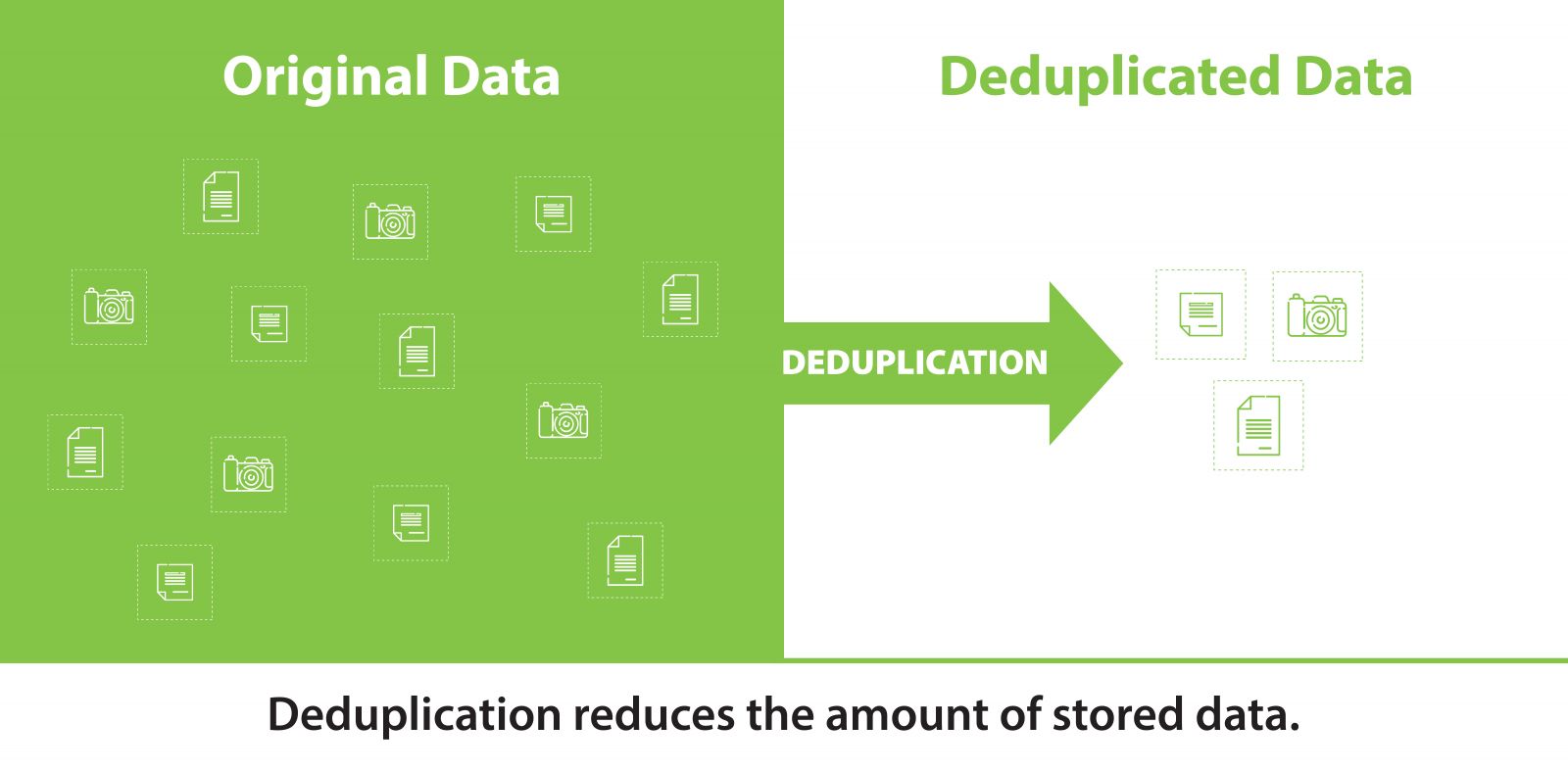
Another green technology that can be used in product feed management is data deduplication. This technology eliminates duplicate data in product feeds, further reducing their size and improving efficiency. By removing redundant information, e-commerce companies can streamline their operations and reduce their environmental impact.
Furthermore, green technologies can also be used to optimize the delivery of product feeds. One example is the use of content delivery networks (CDNs). CDNs are a network of servers located in different geographical locations. By storing product feeds on these servers, e-commerce companies can reduce the distance that data needs to travel, resulting in faster and more energy-efficient delivery. This not only improves the user experience but also reduces the carbon footprint of e-commerce.
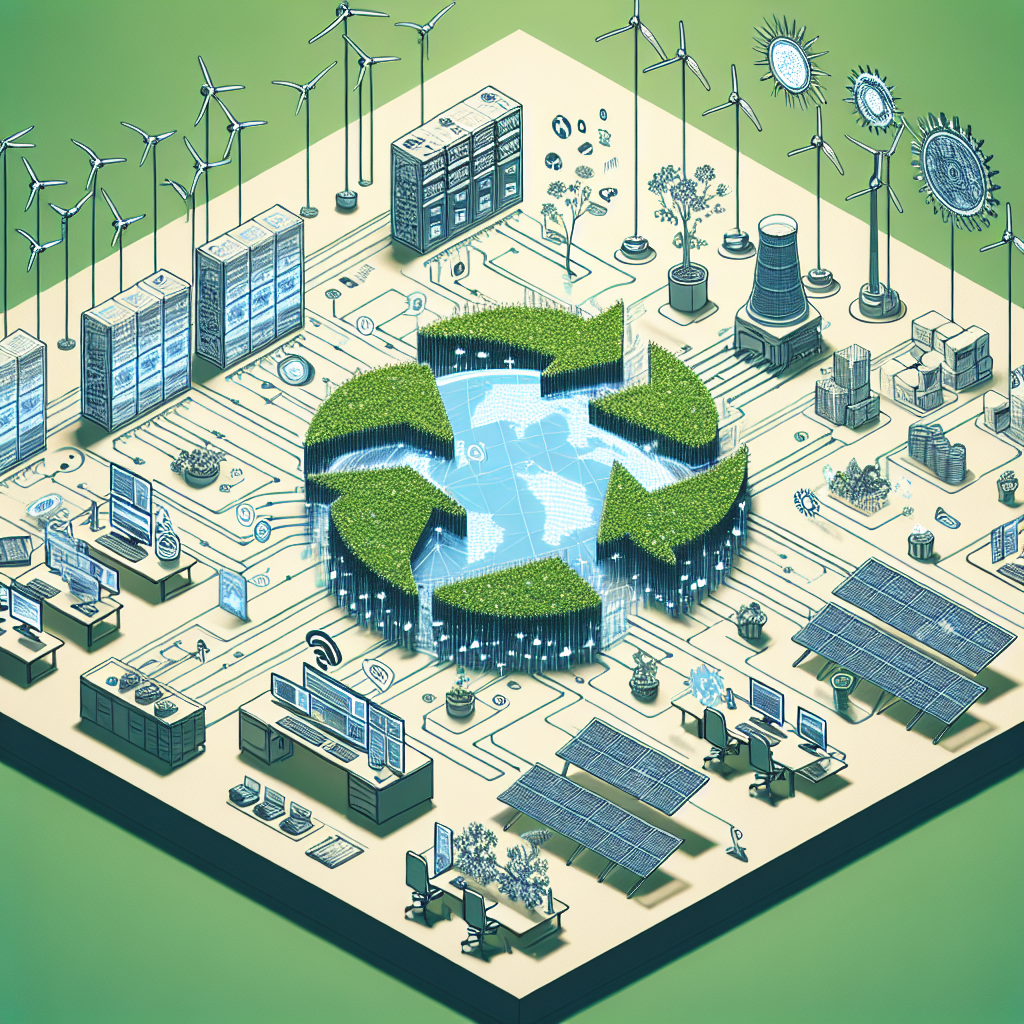
In addition to optimizing product feeds, green technologies can also be used to improve the overall sustainability of e-commerce operations. For example, renewable energy sources can be used to power data centers and servers. By harnessing the power of the sun, wind, or water, e-commerce companies can reduce their reliance on fossil fuels and significantly decrease their carbon emissions.
Furthermore, the use of energy-efficient hardware and infrastructure can also contribute to a more sustainable e-commerce industry. By investing in energy-efficient servers, cooling systems, and data centers, companies can reduce their energy consumption and minimize their environmental impact.
It is worth noting that the adoption of green technologies in e-commerce product feed management is not only beneficial for the environment but also for businesses themselves. By reducing energy consumption and carbon emissions, companies can lower their operating costs and improve their bottom line. Additionally, sustainability has become an important factor for consumers when making purchasing decisions. By demonstrating a commitment to sustainability, e-commerce companies can attract environmentally conscious customers and gain a competitive edge in the market.
Conclusion
In conclusion, green technologies in product feed management offer numerous benefits for sustainable e-commerce. From reducing paper waste to optimizing transportation, these technologies help businesses minimize their environmental footprint and contribute to a more sustainable future. By tracking and analyzing their environmental impact, businesses can identify areas for improvement and implement strategies to become more sustainable. Furthermore, green technologies enhance the customer experience by providing accurate and up-to-date information. As the e-commerce industry continues to grow, it is crucial for businesses to embrace green technologies and prioritize sustainability in their operations.
Green technologies in product feed management can enhance the overall customer experience. With the ability to store and manage product data digitally, businesses can provide accurate and up-to-date information to consumers. This reduces the likelihood of returns and exchanges, which not only saves resources but also improves customer satisfaction. By offering a seamless and sustainable shopping experience, businesses can attract environmentally conscious consumers and differentiate themselves in the competitive e-commerce market.
All above explained are the reasons why sustainable e-commerce is increasingly adopting green technologies in product feed management. These technologies help reduce the environmental impact of online retail by optimizing product data, improving energy efficiency, and minimizing waste. By implementing sustainable practices in product feed management, e-commerce businesses can contribute to a more eco-friendly future while still meeting consumer demands.
We invite you to share this article if you like it and leaving your comments.